If you’re looking to reduce heat, increase privacy, protect against harmful UV rays, and improve the appearance of your glass surfaces, window film is one of the most economical and fastest solutions. However, with multiple types such as heat-control, anti-UV, security, decorative, and smart transparent films, choosing the best option can be confusing. In this guide, we’ll review all the key factors to help you make an informed and confident purchase and installation.
Parsian Fajr Sepehr Company is the exclusive representative of Reflectiv Window Films (France), ensuring you can purchase these films with complete confidence.
What Is Window Film and What Does It Actually Do?
Window film is a thin, multilayer coating applied to glass that can:
- Control visible light transmission (VLT)
- Reduce solar heat gain
- Block up to 99% of UV rays
- Reduce glare and visual discomfort
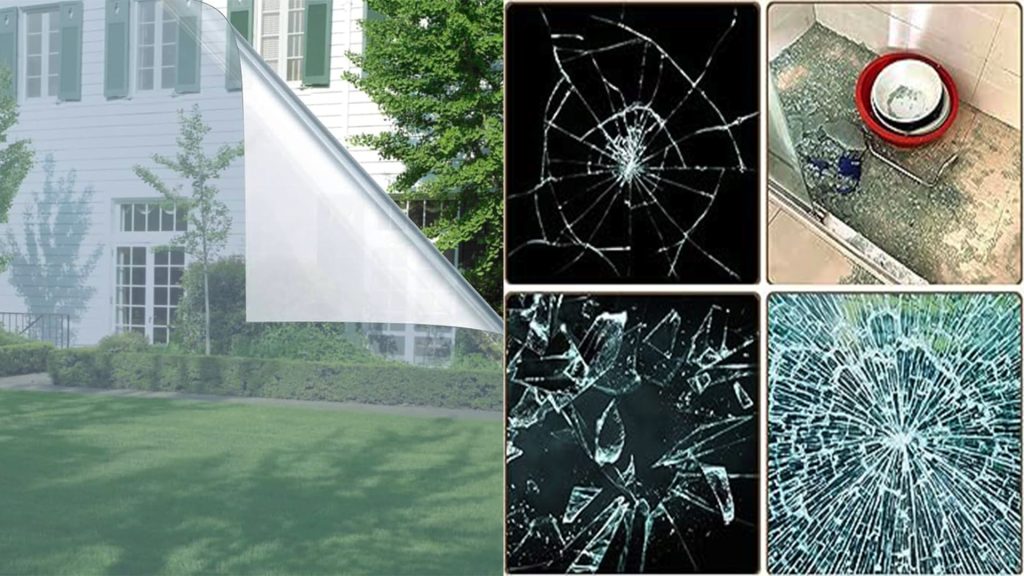
- Reinforce glass strength to prevent shattering (security models)
- Enhance interior or exterior aesthetics (decorative or reflective models)
Key Technical Criteria to Know Before Buying
1) VLT-Visible Light Transmission
The higher the VLT, the more light passes through, keeping the space brighter.
For higher privacy or strong glare reduction, a lower VLT (15–35%) is better.
2) Solar Heat Rejection (TSER/SHGC)
TSER (Total Solar Energy Rejected): the higher it is, the less heat enters the space.
In hot, sunny climates, high-TSER films noticeably reduce air-conditioning energy use.
3) UV Protection
Choose films that block 99% of UV rays — they protect skin and reduce furniture fading.
4) Safety and Security
Security films are thicker and prevent dangerous glass shattering during impact.
They are ideal for ground floors, storefronts, and high-traffic areas.
5) Compatibility with Double-Glazed and Low-E Glass
Some films are not suitable for Low-E or double-glazed glass and may cause thermal shock. Always confirm compatibility with the seller before purchase.
6) Durability and Maintenance
Look for scratch-resistant coatings, stable color, and long-term clarity. Clean with microfiber cloths and non-alcoholic cleaners.
7) Standards and Local Regulations
For vehicles or office/residential buildings, local laws may restrict tint levels. Always check before purchase.
Types of Window Films and Their Applications
Solar Control Films
Reduce heat, lower electricity bills, and enhance thermal comfort. Suitable for homes, offices, and retail stores.
UV and Anti-Glare Films
Protect skin and interiors while improving visual comfort. Perfect for media rooms, design offices, and shops with display windows.
Reflective or Mirror Films
Provide excellent daytime privacy and a modern look, but may create reflections at night.
Decorative and Frosted Films
Enhance privacy in meeting rooms, bathrooms, entry doors, and partitions.
Security and Anti-Shatter Films
Reduce injury risk from glass breakage; ideal for busy areas, schools, banks, and public facilities.
Quick Selection Guide Based on Needs
- Reduce heat and energy costs: Solar window film
- Daytime privacy: Reflective or mirror film with lower VLT
- 24-hour privacy: Frosted or decorative patterned film
- UV protection: Film with 99% UV rejection
- Increased safety: Security film with higher thickness
Common Mistakes When Choosing Window Film
- Choosing too low a VLT for dim or work environments
- Ignoring glass type compatibility
- Improper installation causing bubbles or waves
- Overlooking local tinting laws for vehicles or façades
Proper Installation and Maintenance Tips
Hire a professional installer to ensure precise cutting, proper air removal, and even adhesion.
After installation, avoid touching or cleaning for 24–48 hours; full curing may take several days.
Use mild cleaners and microfiber cloths for cleaning. Avoid blades or abrasive pads.
Important Things to Check Before Buying Window Film
- Define your main goal: heat reduction / privacy / UV protection / safety / decoration
- Select VLT based on room function
- Check TSER and UV rejection ratings
- Ensure compatibility with your glass type (Low-E / double-glazed)
- Follow local tinting standards
- Choose a professional installer and request an invoice
Frequently Asked Questions
How much does window film reduce energy consumption?
Depending on the model, it can significantly lower solar heat gain, reduce cooling load, and consequently cut electricity costs.
For detailed performance data, see Solar Window Films.
Does window film damage glass?
No – if it’s compatible with your glass type and installed professionally.
Can window film be removed later?
Yes. It can be removed carefully using proper tools and technique. For best results, have it done by a professional to avoid adhesive residue.